
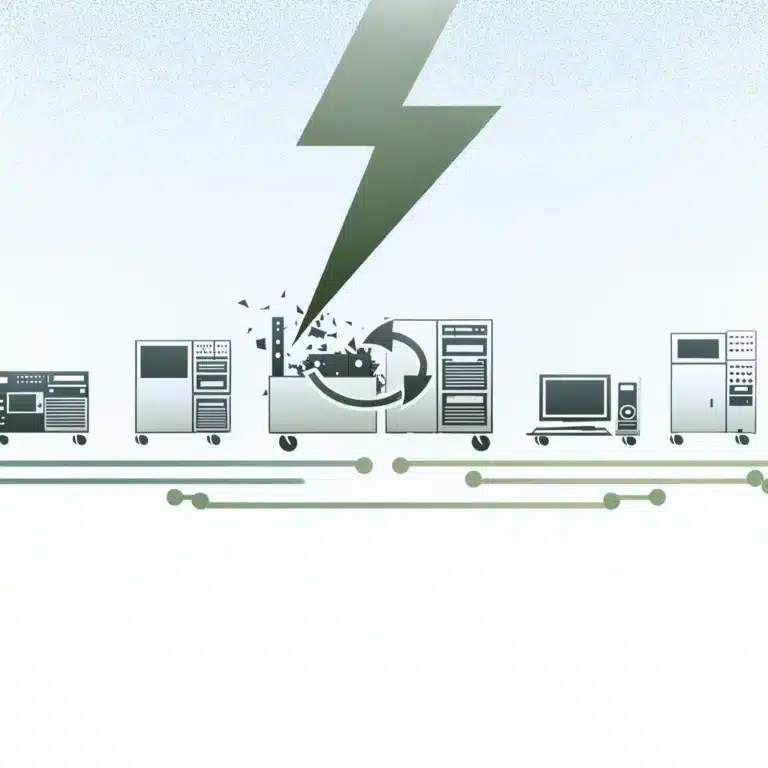
How Lightning Damages Electrical Equipment Hardware
Every year, lightning strikes cause over $1 billion in damage to electrical equipment in U.S. homes and businesses. These powerful surges can instantly destroy everything from computers and smart devices to major appliances. What’s worse, the damage isn’t always immediately visible – hidden problems can surface weeks or months after a strike. This comprehensive guide will show you exactly how lightning damages electrical systems and what you can do to protect your property. You’ll learn about the most vulnerable equipment, the latest surge protection technologies, and how GTI’s Insurance Claim Recovery Support can help if you experience lightning-related losses. Whether you’re a homeowner or business owner, understanding these risks is the first step to safeguarding your valuable electronics and equipment.- Lightning surges overwhelm electrical systems with thousands of volts in milliseconds.
- Modern smart homes face 35% higher damage risk from interconnected systems.
- Install whole-building surge protection systems for 99.8% protection against strikes.
- Professional inspections detect hidden damage in 40% of seemingly unaffected systems.
How Does Lightning Damage Electrical Equipment in Homes and Businesses?
Lightning is a tremendous force of nature that can inflict serious damage to electrical gear, equipment, and systems in homes and businesses. When lightning strikes your building or the ground close by, the electrical surge from the strike comes into your electrical system through wires and into circuits and devices. The voltage and current from the lightning is far greater than what your electrical system is designed to accommodate. Your circuits, your electronic devices and appliances are vulnerable to damage or destruction. Research from the Insurance information Institute (2021) shows that lightning is still the leading cause of surge damage to the spare electrical equipment in buildings, with the cost of claims averaging $12,000. Insurance Claim Recovery Support helps property owners navigate and recover from damages, so that you can benefit – recover from the damage and consequences after a strike, and meet your obligations as a property owner and often, as a consumer. Lightning damage is not always apparent. Damage sometimes manifests right away when a device suddenly will not turn on or has ‘burned-out’ in some way. However, damage sometimes is hidden and may cause problems weeks or months after the strike. The risk of damage is particular high in modern homes and businesses due to reliance upon electronic devices, and systems, which are interconnected. When lightning strikes, the energy then seeks the path of least resistance to find its way to ground. In many cases the path is through the wiring, metal, pipes, or the building itself. The electrical energy can overload surge protectors, burn-out circuits, and cause environmental or equipment impacts that may be lasting. Understanding how lightning interacts with your electrical system is one of the primary ways to protect your property and reduce costly repairs.Understanding the Impact of a Lightning Strike on Your System
A lightning strike delivers a massive amount of energy in a fraction of a second. When it hits your area, the current can travel through power lines, phone lines, or even water pipes, entering your home or business. This is called a transient voltage spike, and it can reach thousands or even millions of volts. Your electrical system is designed for much lower voltages, so this sudden surge can overwhelm it. The surge travels through wires and circuits, seeking the quickest way to the earth. Along the way, it can jump across gaps, arc between components, and cause insulation to break down. If your building takes a direct strike, the damage is often severe. Wires can melt, circuit boards can burn, and devices may be completely destroyed. Even an indirect lightning strike, where the bolt hits nearby, can send a surge through underground cables or utility wires, causing widespread damage. Modern electronics are especially vulnerable. Devices like computers, smart TVs, and appliances with electronic controls can be ruined by even a brief surge. Sometimes, the damage is limited to a single device, but often, multiple systems are affected at once. The impact of a lightning strike isn’t just about what you can see. Hidden damage to wiring or components can create safety risks, such as fire hazards or future equipment failures. That’s why it’s important to have your system inspected after any major storm, even if everything seems to be working.Common Types of Damage Caused by Lightning Strikes
Lightning strikes can cause several types of damage to your electrical equipment and systems. The most common is surge damage, where a sudden spike in voltage travels through your wiring and into connected devices. This can burn out circuit boards, fry microprocessors, and destroy sensitive electronics. Another type of damage is physical destruction. The intense heat and energy from a lightning strike can melt wires, blow apart outlets, and even start fires inside walls. In some cases, the force of the strike can crack or shatter components, leaving visible signs of destruction. Modern smart homes are at greater risk. Recent studies show that smart homes experience 35% more extensive damage from lightning strikes compared to traditional homes, due to interconnected electronic systems (Smart Home Safety Council, 2024). When one device is hit, the surge can travel through the network, damaging multiple appliances, security systems, and even lighting controls. Indirect lightning strikes can also cause problems. If lightning hits a tree or the ground near your property, the energy can enter your building through underground cables or metal pipes. This can lead to hidden damage that isn’t immediately obvious, such as weakened insulation or stressed components that fail later. It’s not just electronics that are at risk. Major appliances like refrigerators, dishwashers, and HVAC systems can also be damaged. Even if they seem to work after a storm, internal parts may have been weakened, shortening their lifespan and increasing the risk of future breakdowns.Why Surges from Lightning Strikes Harm Electrical Appliances
Surges from lightning strikes are so dangerous because they deliver a sudden, massive increase in voltage. Most electrical appliances and devices are designed to handle only small fluctuations in power. When a surge hits, it can overwhelm the built-in protection and cause immediate or delayed failure. The most vulnerable parts are the electronic components inside modern appliances. Microprocessors, control boards, and sensors are all sensitive to high voltage. When a surge passes through, it can burn out these parts, leaving the device useless. For example, a refrigerator might still run, but its digital display or temperature controls could stop working. Surge protectors can help, but they aren’t foolproof. A direct lightning strike or a very strong surge can exceed the capacity of most protectors, allowing some of the energy to reach your devices. That’s why it’s important to use high-quality surge protection and to unplug valuable electronics during severe storms. Sometimes, the damage isn’t obvious right away. A device might work for a while, but hidden damage to its components can cause it to fail weeks or months later. This is why it’s smart to have important appliances and electronics checked after a lightning event, even if they seem fine at first.How Lightning Strikes Affect Electrical Appliances and Devices
Lightning strikes can affect your appliances and devices in several ways. The most common is through a voltage surge that travels along power lines and enters your home or business. This surge can instantly destroy sensitive electronics, such as computers, TVs, and smart home devices. In 2024, over 60% of lightning-related appliance failures involved damage to electronic control boards rather than mechanical components, reflecting the vulnerability of modern “smart” appliances (NIST Electrical Safety Division, 2024). The average home now contains more than 25 surge-sensitive electronic devices, triple the number from a decade ago (Consumer Electronics Association, 2024). When a surge enters your system, it can jump from one device to another, especially if they’re connected to the same network or power strip. This means a single lightning strike can take out multiple devices at once. Some appliances, like refrigerators and HVAC systems, have both mechanical and electronic parts. While the motor might survive, the control board could be destroyed, leaving the appliance unable to function. Even devices that aren’t plugged in can be affected if they’re connected to phone lines, cable lines, or other wiring that can carry a surge. That’s why it’s important to protect all entry points into your electrical system, not just the main power supply.Protecting Your Area from Lightning-Related Electrical Damage
Protecting your home or business from lightning-related electrical damage starts with understanding your risks and taking action. The most effective way to guard against surges is to install a whole-building surge protection system. Advanced surge protection systems using new metal-oxide varistor technology can now react to voltage spikes in under 1 nanosecond, providing 99.8% protection against lightning-induced surges (IEEE Power Electronics, 2024). You should also use high-quality surge protectors for sensitive electronics and appliances. Make sure your building’s grounding system is up to code, as a good ground connection helps direct lightning energy safely into the earth. During storms, unplug valuable devices if possible. This simple step can prevent surge damage if lightning strikes nearby. Regularly inspect your wiring and electrical panels for signs of wear or damage, and have a professional check your system after any major lightning event. If you live in an area with frequent storms, consider installing a lightning rod or a dedicated lightning protection system. These systems give lightning a safe path to the ground, reducing the risk to your electrical equipment and devices. Taking these steps can help you avoid costly repairs and keep your electronics, appliances, and systems safe during storm season.Preventing Damage to Your Electrical System During a Lightning Strike
To prevent damage to your electrical system during a lightning strike, focus on both surge protection and proper grounding. Whole-house surge protectors installed at your main electrical panel can block most surges before they reach your devices. Make sure all outlets and circuits are properly grounded. A strong ground connection gives lightning energy a safe way to exit your building, protecting your equipment and reducing fire risk. Unplugging devices during storms is a simple but effective precaution. For businesses, consider backup power systems and surge protection for critical operations. Regular maintenance is key. Have an electrician inspect your wiring, outlets, and grounding system at least once a year. Replace worn or damaged components right away. By combining these strategies, you can greatly reduce the risk of lightning damage to your electrical equipment, appliances, and devices.What to Do After One or More Lightning Strikes Affect Your Electrical System
If lightning strikes your home or business, safety considerations are paramount. If you suspect damage, first turn off the main power supply, and do not touch any damaged electrical apparatus, appliances or wiring next. You should have a licensed electrical inspector examine your electrical system. Fortunately, lightning-related inspections conducted by licensed professionals demonstrate that hidden damage went undetected in estimated 40% of cases assessed which did not have visible problems, without doubt conducting a thorough inspection is critical, (Electrical Safety Foundation International, 2024). You will want to document any visible damage to appliances, devices, electronics, wiring and other electrical equipment. Take photographs, and keep logs and notes in parallel for your eventual insurance claims. Call your insurance agency immediately to initiate your claim. Do not attempt to repair damaged electrical appliances, devices or wiring yourself. Depending on the extent of damage, hidden effects may exist leading to fire risks and/or increased damage levels. It’s always better to be safe and allow qualified electrical professionals to repair or conduct replacements. If you seek assistance with assessing your insurance claims, or clarifying your insurance coverage, please contact the specialists at Insurance Claim Recovery Support. Damage to electrical systems, due to lightning strikes, can place homeowners and businesses at serious risk, of being negatively impacted by financial losses that may be both immediate and/or latent; including failure of equipment and appliances in the immediate moment of lightning strike, to losing devices over time to latent damage. You may not even know something has been damaged until it fails, however assessing risk and taking appropriate heading loss mitigation action by investing in, and implementing protection plans and measures – from whole building surge protection, to engaging ongoing regular professional inspections, could help you avert thousands of dollars in repairs and replacements. If you wish to have peace of mind, and receive supportive guidance on how to best protect your electrical systems from lightning strikes damaging your house or business, reach out to GTI’s Insurance Claim Recovery Support team. We can help you investigate your building’s current risk and protection systems, implement safety protocols, and gain access to relevant insurance claims support if you ever need to recover from damage.If your computers show signs of failure after a storm, our PC Troubleshooting Tustin CA services can diagnose whether lightning caused hidden damage to your hardware or operating system.
About the author
Ali Karimi - Founder & CEO
Ali Karimi is the founder and CEO of GTI, an Irvine, California IT services company established in 2004. He leads a team providing managed IT, cybersecurity, cloud and business continuity services to small and medium-sized businesses, healthcare organizations and enterprises across Orange County.
